

Anti-Inflammatory Diet: What the Science Actually Says
Your immune system is one of your most powerful survival tools — but for millions of people, it's running hot when it shouldn't be. Chronic low-grade inflammation, unlike the acute inflammation that heals a cut or fights an infection, simmers quietly for months or years, silently damaging tissues and driving the world's most prevalent diseases. The striking finding from two decades of research: the food on your plate, eaten three times a day, is one of the most powerful dials for turning that inflammatory response up or down.
Understanding Chronic Inflammation
Inflammation is your immune system's frontline response to harm. When you sprain an ankle or catch a virus, inflammation floods the site with immune cells, cytokines, and prostaglandins to initiate repair and destroy pathogens — a process that's not only normal but essential. The problem arises when this system never fully switches off. Chronic low-grade inflammation is characterized by persistently elevated levels of inflammatory biomarkers — particularly C-reactive protein (CRP), interleukin-6 (IL-6), and tumor necrosis factor-alpha (TNF-α) — in the absence of active infection or injury. This sustained immune activation is now understood to be a root driver of coronary artery disease, type 2 diabetes, obesity, Alzheimer's disease, and several major cancers. Unlike a fever or a swollen joint, it produces no dramatic symptoms — making it a silent, slow-burning threat that most people don't recognize until it has already caused significant damage.
Foods That Fuel Chronic Inflammation
Diet is one of the most studied — and modifiable — drivers of systemic inflammation. The Western dietary pattern, characterized by ultra-processed foods, refined carbohydrates, sugar-sweetened beverages, industrial seed oils, and processed meats, consistently elevates CRP and IL-6 in clinical studies. Refined sugars and high-glycemic carbohydrates trigger rapid insulin spikes that activate nuclear factor-kappa B (NF-κB) — the master switch for inflammatory gene expression in virtually every cell type. Processed meats contain advanced glycation end products (AGEs), formed during high-heat cooking, which bind to immune cell receptors and amplify inflammatory signaling. Perhaps most critical is the omega-6 to omega-3 imbalance: the typical Western diet delivers a ratio of roughly 15:1 to 20:1, far above the 4:1 or lower ratio that both evolutionary biology and modern research consistently associate with lower chronic disease risk.
Building an Anti-Inflammatory Plate: What the Evidence Supports
- Fatty fish 2–3 times per week: Salmon, mackerel, sardines, and anchovies deliver EPA and DHA — the two most bioactive omega-3 fatty acids. A 2021 meta-analysis in PLOS Medicine found that 2g/day of omega-3 supplementation reduced CRP by an average of 0.33 mg/L — a clinically meaningful reduction in cardiovascular risk.
- 5+ servings of colorful produce daily: Polyphenols, carotenoids, and flavonoids in berries, broccoli, kale, and red cabbage inhibit NF-κB and downregulate inflammatory cytokine production. Berry anthocyanins are among the most thoroughly studied natural anti-inflammatory compounds in food science.
- Extra virgin olive oil as your primary fat: EVOO contains oleocanthal, a phenolic compound that inhibits COX-1 and COX-2 enzymes — the same targets as ibuprofen. Studies show 50ml/day reduces circulating IL-6 by 10–15%, with effects compounding over weeks of consistent use.
- Whole grains over refined grains: Fermentable fiber in oats, barley, and whole wheat feeds anti-inflammatory gut bacteria and promotes production of butyrate — a short-chain fatty acid that directly suppresses inflammatory signaling in the gut lining and systemic circulation.
- Turmeric with black pepper: Curcumin, turmeric's active polyphenol, inhibits multiple inflammatory pathways simultaneously. Co-ingestion with piperine (black pepper) increases curcumin bioavailability by up to 2,000%. A 2016 systematic review in Phytotherapy Research confirmed significant reductions in CRP, TNF-α, and IL-6 with curcumin supplementation across eight clinical trials.
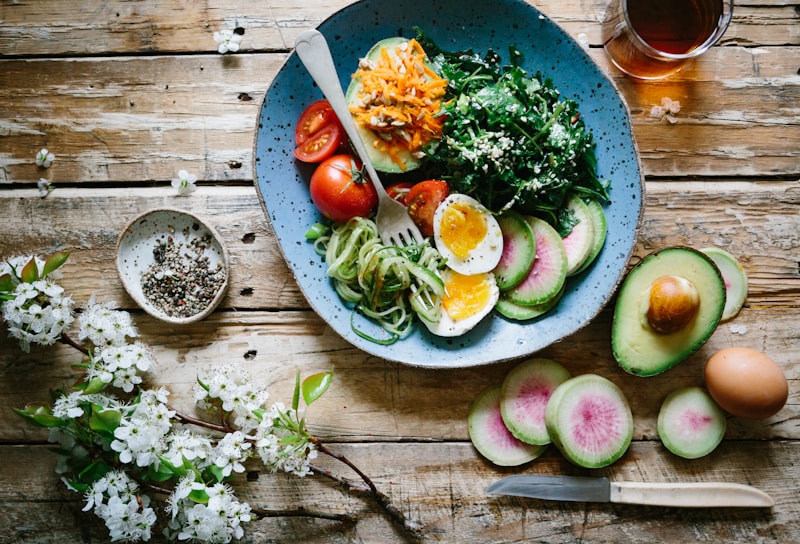
The most rigorously tested anti-inflammatory dietary pattern is the Mediterranean diet — characterized by high olive oil consumption, abundant vegetables and legumes, regular fish intake, moderate wine, and minimal ultra-processed food. The landmark PREDIMED trial, a randomized controlled study of over 7,400 participants, found that a Mediterranean diet supplemented with extra virgin olive oil reduced major cardiovascular events by 30% compared to a low-fat control diet. Inflammatory markers were among the first metrics to improve — preceding clinical outcomes by months — confirming that inflammation reduction is a primary mechanism, not a side effect. For those building this pattern incrementally, tools like Nutrilogix can help track omega-3 intake, fiber consumption, and the ratio of whole to ultra-processed foods across the day, turning abstract dietary goals into measurable daily habits.
The Bottom Line
Chronic inflammation is not an inevitability — it's substantially modifiable through consistent dietary choices. The science converges clearly: diets rich in omega-3 fatty acids, colorful plant foods, fermentable fiber, and polyphenol-dense oils measurably reduce systemic inflammation and lower the risk of the diseases it drives. Diets high in refined carbohydrates, ultra-processed products, and industrial seed oils reliably do the opposite. You don't need a perfect diet to make meaningful progress — you need a consistently better one. Start with the foods that carry the strongest evidence, track what you're actually eating, and let the data guide your next step.