
Brain Food Science: How Your Diet Directly Shapes Cognitive Performance and Mental Clarity
There's a reason elite performers obsess over what they eat before a high-stakes presentation, an exam, or a critical creative session. The brain — despite representing only about 2% of your body weight — consumes roughly 20% of your daily caloric intake and is entirely dependent on the nutrients you provide it. Poor nutrition doesn't just affect your waistline; it directly shapes how clearly you think, how quickly you process information, and how well you regulate your mood. The science of nutrition and cognitive performance has grown substantially over the past decade, and the findings are hard to ignore.
The Brain Is What You Feed It
Your brain is the most metabolically active organ in your body, requiring a constant supply of oxygen, glucose, and essential nutrients to function at its best. Its cell membranes are largely composed of polyunsaturated fatty acids — particularly DHA (docosahexaenoic acid) — and their structural integrity depends entirely on dietary fat intake. Chronic consumption of refined carbohydrates, trans fats, and ultra-processed foods promotes neuroinflammation: low-grade, persistent inflammation in brain tissue that researchers now link to cognitive decline, depression, and increased risk of neurodegenerative disease. The reverse is equally true — anti-inflammatory, nutrient-dense diets actively protect and enhance brain function at every age.
Omega-3 Fatty Acids: Your Brain's Structural Foundation
Of all the dietary factors linked to brain health, omega-3 fatty acids — particularly EPA (eicosapentaenoic acid) and DHA — have the most robust evidence base. DHA comprises approximately 40% of the polyunsaturated fatty acids in the brain and is the primary structural component of neuronal cell membranes. Higher membrane DHA content improves membrane fluidity and enhances synaptic signaling — the speed and efficiency with which neurons communicate. EPA plays a complementary anti-inflammatory role, reducing levels of pro-inflammatory prostaglandins and cytokines that impair neural function. A 2021 randomized controlled trial in Nutrients found that 1.25g of DHA daily for 16 weeks significantly improved working memory and processing speed in healthy adults aged 25–49. Plant-based sources provide ALA (alpha-linolenic acid), but conversion to DHA and EPA is limited — direct sources like fatty fish, algae oil, and high-quality fish oil are far more effective.
The Gut-Brain Axis: Your Second Brain
Perhaps the most surprising finding from the past decade of neuroscience research is how profoundly your gut influences your brain. The gut-brain axis is a bidirectional communication network connecting the enteric nervous system — the gut's own neural network, sometimes called 'the second brain' — with the central nervous system via the vagus nerve, immune signaling, and the bloodstream. Approximately 90–95% of serotonin, a neurotransmitter critical to mood, focus, and cognitive performance, is produced in the gut rather than the brain. The microbiome directly modulates serotonin synthesis, and dysbiosis (an imbalanced microbiome) is now consistently linked to brain fog, anxiety, and impaired cognitive flexibility. Research published in Cell demonstrates that certain probiotic strains — particularly Lactobacillus and Bifidobacterium species — improve attention and reduce psychological stress markers even in otherwise healthy individuals.
- Fatty fish (salmon, sardines, mackerel): The highest dietary source of DHA and EPA; two to three servings per week meaningfully raises brain omega-3 levels
- Blueberries: Rich in flavonoids, particularly anthocyanins, which cross the blood-brain barrier and enhance synaptic signaling and memory consolidation
- Walnuts: The best nut source of ALA; also contain polyphenols that reduce oxidative stress in neurons
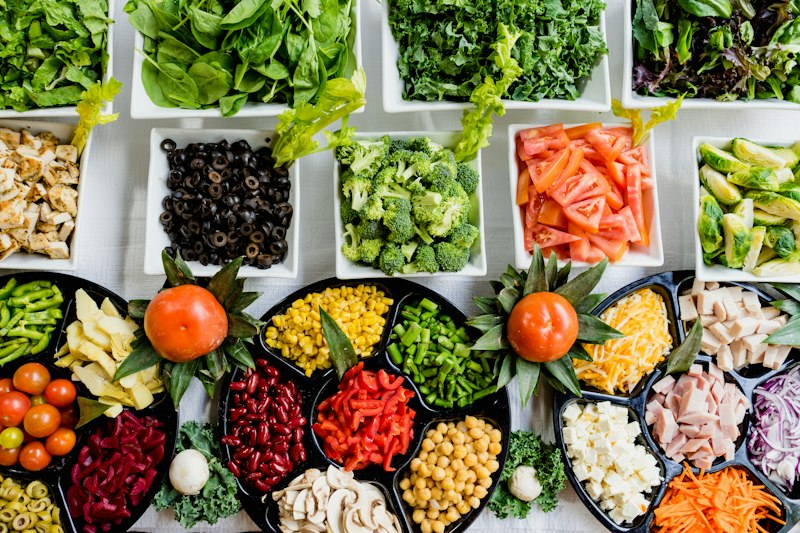
- Dark leafy greens (spinach, kale): High in lutein, folate, and vitamin K1 — nutrients linked to slower cognitive aging in the MIND diet studies
- Fermented foods (yogurt, kefir, kimchi): Introduce beneficial bacteria that support the gut-brain axis and modulate neurotransmitter production
- Dark chocolate (70%+ cacao): Flavanols improve cerebral blood flow, a direct driver of processing speed and executive function
The Bottom Line
Your cognitive performance on any given day is not purely a function of willpower or intelligence — it's significantly shaped by what you ate over the past week, month, and year. Neuroinflammation, neurotransmitter availability, synaptic integrity, and cerebral blood flow are all modifiable through diet. Focus on omega-3-rich foods, diverse fermented foods, leafy greens, and antioxidant-rich colorful produce. Minimize refined carbohydrates and ultra-processed foods. And if you want to track how your dietary patterns align with brain health benchmarks, tools like Nutrilogix make it practical to see exactly where your omega-3 intake, micronutrients, and whole-food ratios stand — because building a sharper brain starts with knowing what you're actually eating.