
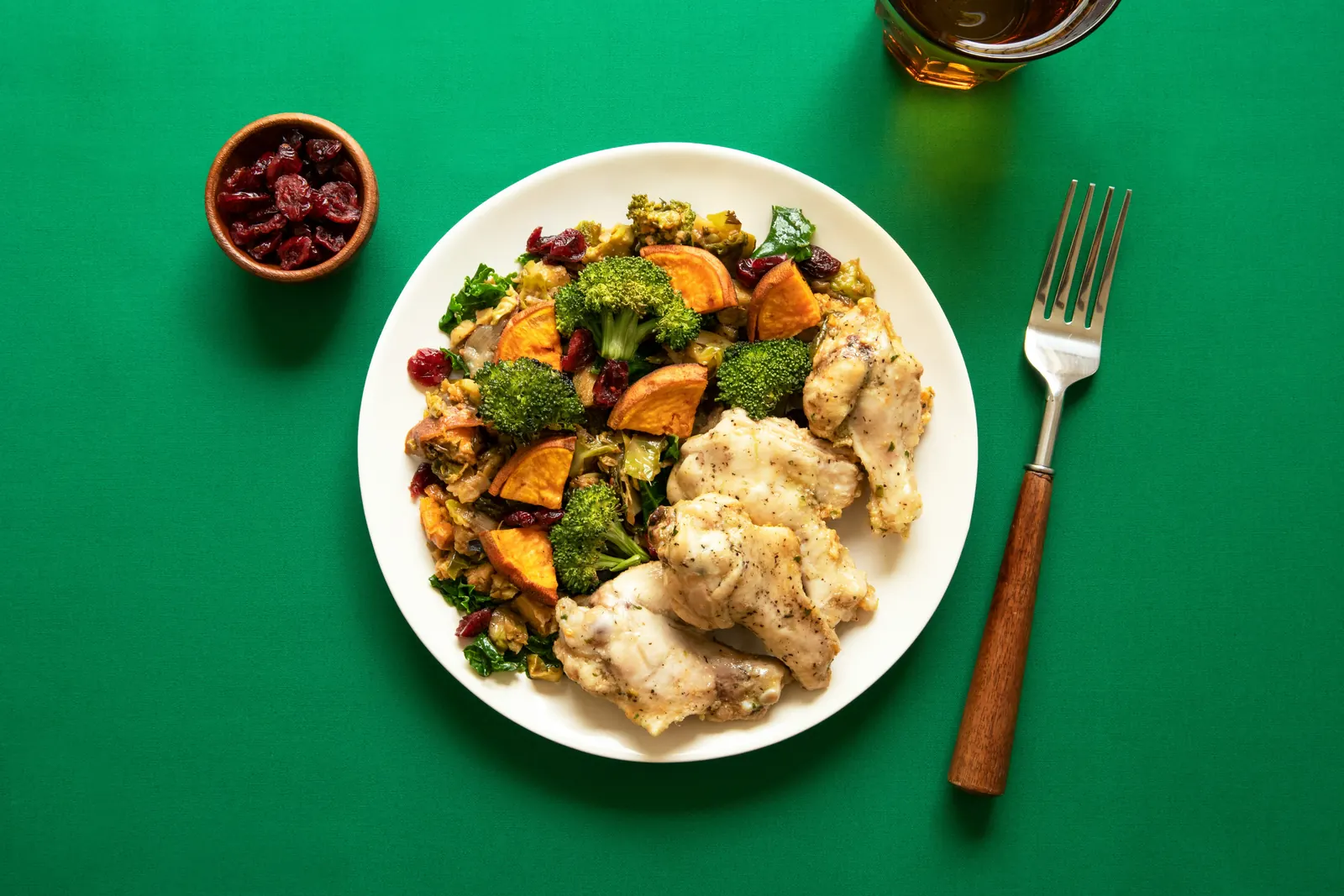
Calorie Density vs. Nutrient Density: Eat More and Weigh Less
Most nutrition advice focuses obsessively on how many calories are on your plate. But here's the question almost no one asks: how much food are you actually getting for those calories? A 500-calorie portion of boiled potatoes weighs nearly 900 grams. A 500-calorie portion of peanut butter weighs just 83 grams. If you eat the same amount by volume or weight, the calorie difference is enormous — and so is the hunger difference. This isn't a trivial observation. It's the core of one of the most effective, least-discussed strategies in nutrition science: optimizing for calorie density and nutrient density simultaneously.
What Is Calorie Density, and Why Does It Matter?
Calorie density refers to the number of calories per unit weight of food — typically expressed as calories per gram (kcal/g). At one end of the spectrum, raw vegetables and broth-based soups clock in at 0.1–0.5 kcal/g. At the other end, butter (7 kcal/g), nuts (6 kcal/g), and ultra-processed snack foods (5–6 kcal/g) pack an enormous number of calories into a very small volume. The relevance to hunger and body weight is direct: humans regulate food intake primarily through the volume and weight of food consumed — not caloric content alone. A landmark series of studies by Dr. Barbara Rolls at Penn State University demonstrated that people consume a remarkably consistent weight of food per day regardless of calorie content. When subjects were served low-calorie-density versions of meals — by adding water, vegetables, or air — they consumed significantly fewer calories with no increase in hunger, simply because the total volume of food was unchanged.
Nutrient Density: Getting More From Every Calorie
If calorie density tells you how many calories are packed into a given weight of food, nutrient density tells you how many vitamins, minerals, fiber, and beneficial compounds come with those calories. A 200-calorie bowl of kale, broccoli, and chickpeas delivers fiber, folate, vitamin C, calcium, iron, and dozens of polyphenols. A 200-calorie bag of corn chips delivers sodium and refined starch. Both contain 200 calories. The nutritional return on investment is incomparably different. Nutrient-dense foods tend to be high in fiber (which slows gastric emptying and sustains satiety signals), high in water content (which adds volume without calories), and rich in phytonutrients that modulate inflammation, gut microbiome composition, and appetite hormones in ways that support long-term weight regulation. In contrast, ultra-processed foods are engineered to be simultaneously calorie-dense and nutrient-poor — delivering rapid glycemic hits that spike and crash blood sugar, leaving you hungry again faster while contributing little of nutritional value.
How Volume Eating Works in Practice
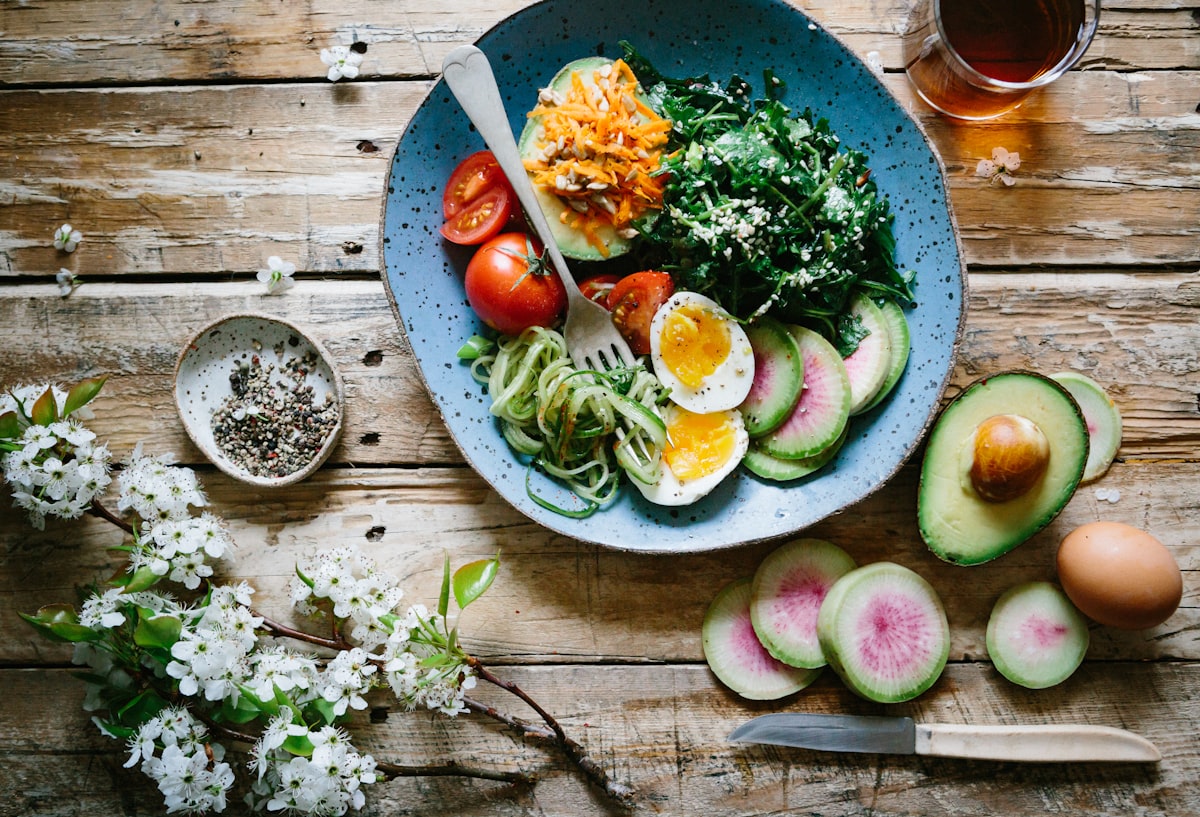
- Build every plate on a foundation of water-rich vegetables: Leafy greens, broccoli, cucumber, zucchini, and tomatoes average 0.1–0.4 kcal/g — you can fill an entire plate for 50–100 calories, dramatically increasing meal volume before you add anything else.
- Replace calorie-dense starches with volume alternatives: Cauliflower rice (~25 kcal/cup) vs. white rice (~200 kcal/cup); spiralized zucchini vs. pasta; lettuce wraps vs. flour tortillas. These swaps cut 100–200 calories per serving with no reduction in volume.
- Start meals with a broth-based soup or large salad: Clinical trials consistently show that eating a low-calorie first course reduces total meal calorie intake by 15–20%, independent of the first course's own caloric content — the volume effect preconditions satiety.
- Prioritize lean proteins for their calorie-per-gram value: Chicken breast (1.65 kcal/g), white fish (~0.9 kcal/g), and low-fat cottage cheese (~0.8 kcal/g) deliver high satiety, high protein, and relatively low calorie density — a critical combination for both fat loss and muscle retention.
- Replace processed sweets with whole fruit: A cup of strawberries contains ~50 calories and delivers fiber, vitamin C, and polyphenols. A small chocolate bar contains ~250 calories and delivers almost nothing else. Once your palate recalibrates, the satiety is comparable.
The Research on High-Volume, Low-Calorie-Density Diets
The strongest evidence for calorie-density-based eating comes from clinical feeding trials. In a landmark randomized controlled trial published in the American Journal of Clinical Nutrition, participants instructed to reduce the calorie density of their diet — without explicitly counting calories — lost 2.5 times more weight over 12 months than those given standard low-fat dietary advice. Crucially, the volumetrics group reported significantly lower hunger scores throughout the study, challenging the premise that weight loss necessarily requires chronic hunger. Large-scale epidemiological data reinforces these findings. An analysis of dietary patterns in over 50,000 adults from the NHANES dataset found that diet calorie density was one of the strongest independent predictors of BMI — more predictive than total fat intake, total carbohydrate intake, or meal frequency. Participants in the lowest calorie-density quintile consumed an average of 425 more grams of food per day than those in the highest quintile, yet weighed significantly less and had markedly better metabolic markers. This underscores a fundamental point: when calorie density is consistently low, the body's built-in volume-satiety mechanisms become reliable caloric regulators — without requiring effortful counting. Nutrilogix can surface exactly these patterns, showing you which meals are delivering the most volume, fiber, and micronutrients per calorie, and which are quietly packing hundreds of calories into a few small bites.
The Bottom Line
Calorie density and nutrient density are two lenses on the same fundamental truth: the quality, composition, and volume of your food matter as much as — and often more than — the raw calorie number. When you optimize for low calorie density and high nutrient density, you align your choices with your body's natural appetite regulation systems rather than fighting them. You eat more food, feel fuller, get better nutrition, and consume fewer calories — all at the same time. It isn't a trick; it's how human appetite was designed to operate before industrialized food engineering made it possible to pack days' worth of calories into a handful of crackers. Build your plate around volume first, anchor every meal with lean protein, and let the calorie math follow.