

Cortisol and Chronic Stress: The Hormonal Science Behind Stress-Driven Weight Gain
You're eating well, moving regularly, and doing everything the textbooks say — yet the scale won't budge, particularly around your midsection. Or worse, your weight is creeping upward despite a clean diet. Before you audit your macros again, consider the variable most nutrition plans never ask about: your stress load. Chronic stress doesn't just feel bad. It produces a sustained cascade of hormonal changes that directly promote fat storage, amplify hunger for calorie-dense foods, and impair your body's ability to burn fat efficiently. The mechanism is not mysterious — it's deeply physiological, thoroughly researched, and almost entirely underappreciated in everyday nutrition conversations.
Cortisol 101: Why Acute and Chronic Stress Produce Opposite Effects
Cortisol is the primary glucocorticoid hormone produced by the adrenal glands in response to activation of the hypothalamic-pituitary-adrenal (HPA) axis — the brain's primary stress-response circuit. In an acute stress scenario — a predator, a car accident, a public crisis — cortisol serves an essential survival function. It mobilizes glucose from liver glycogen stores, shunts blood to large muscle groups, suppresses non-essential functions (digestion, reproduction, immune activity), and briefly suppresses appetite so energy can be directed toward escape or confrontation. This is adaptive and short-lived. The problem arises when the HPA axis never fully deactivates. Modern stressors — work deadlines, financial pressure, relationship conflict, sleep deprivation, digital overstimulation — are chronic and often unresolvable. The human stress system cannot distinguish a genuine physical threat from a looming inbox. When it fires repeatedly across days, weeks, and months without full resolution, it produces a hormonal environment that is profoundly hostile to healthy body composition.
How Cortisol Drives Fat Storage — Especially in the Belly
The link between chronic cortisol elevation and visceral fat accumulation is one of the most robustly replicated findings in metabolic endocrinology. The mechanism is anatomical and biochemical. Visceral adipose tissue — the fat surrounding the abdominal organs — expresses approximately four times more glucocorticoid receptors per cell than subcutaneous fat. This receptor density makes visceral fat exquisitely sensitive to cortisol, causing it to preferentially accumulate lipids when cortisol is chronically elevated. Simultaneously, cortisol promotes gluconeogenesis — the liver's production of new glucose from amino acids and glycerol — which raises blood glucose and triggers compensatory insulin release. Chronically elevated insulin, as a direct consequence of chronic cortisol, actively suppresses lipolysis (the release of stored fatty acids from fat cells) and drives net fat deposition. The cortisol-insulin combination creates a biochemical trap: the body is simultaneously instructed to store fat and prevented from burning it. This is why stress-related weight gain clusters so specifically in the abdomen — not evenly across the body — and why visceral fat, which is metabolically active and pro-inflammatory, is the dominant fat depot recruited during prolonged psychological stress.
Stress, Appetite, and the Hunger Hormone Loop
Beyond its direct effects on fat metabolism, chronic cortisol profoundly distorts appetite signaling in ways that make dietary restraint genuinely harder. Cortisol elevates circulating ghrelin — the primary appetite-stimulating hormone — and simultaneously blunts the sensitivity of leptin receptors in the hypothalamus. The result: you feel hungrier more often, and satiety signals arrive later and weaker. More specifically, cortisol activates the brain's reward circuitry in ways that preferentially drive cravings for high-fat, high-sugar, energy-dense foods — what researchers call 'comfort food.' This isn't a character weakness; it is the neurobiological output of elevated stress. Neuropeptide Y (NPY), a hypothalamic appetite-promoting peptide whose release is directly stimulated by cortisol, further intensifies cravings for palatable, calorie-dense foods. A 2015 review in Neuroscience & Biobehavioral Reviews synthesized decades of animal and human research confirming that chronic stress reliably shifts food preference toward high-caloric-density options, drives overeating beyond metabolic need, and does so through identifiable neurochemical pathways — not vague willpower deficits.
- Track your stress-day eating patterns: Many people notice the largest dietary deviations cluster around high-stress periods — this is hormonally predictable, not a character flaw. Identifying the pattern is the first step to interrupting it.
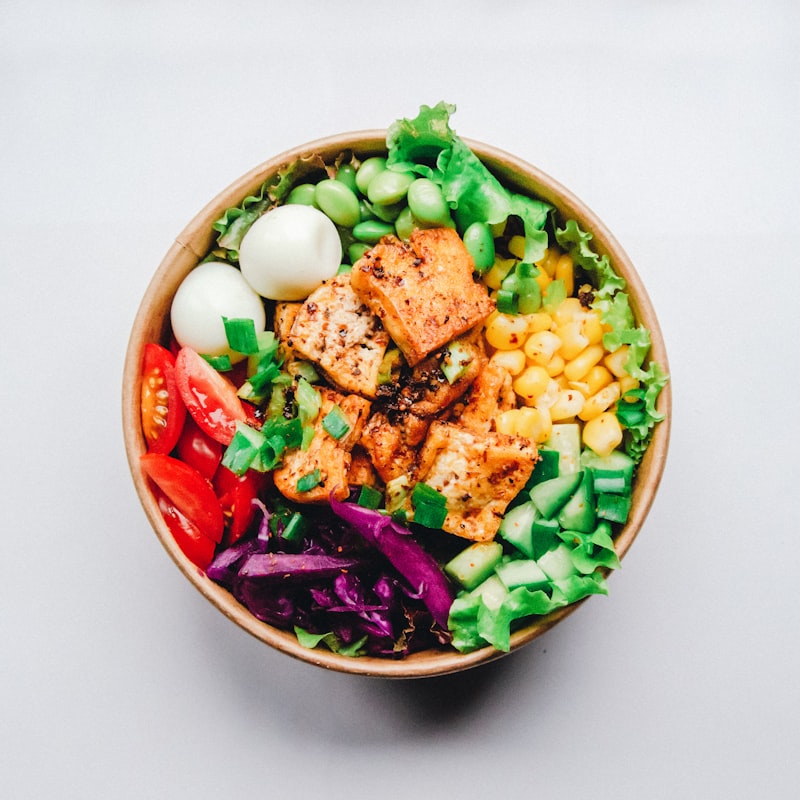
- Front-load protein and fiber: High-protein, high-fiber meals blunt ghrelin more effectively than carbohydrate-heavy meals and extend satiety — directly countering the appetite dysregulation cortisol produces. A 40g protein breakfast is among the most evidence-supported tools for reducing total daily caloric intake under stress.
- Reduce caffeine under high stress: Caffeine potentiates cortisol release. On high-stress days, cutting consumption after noon reduces the compound cortisol load and supports the sleep quality that is essential for HPA axis recovery.
- Prioritize Zone 2 cardio: Moderate aerobic exercise (30–45 minutes at a conversational pace) is one of the most effective cortisol-lowering interventions available, reducing circulating cortisol and upregulating glucocorticoid receptor sensitivity — improving the signal-to-noise ratio of your stress response over time.
- Omega-3 fatty acids: EPA and DHA from fatty fish or algal oil supplementation have demonstrated HPA axis-dampening effects in randomized controlled trials, with 2g/day reducing cortisol reactivity to psychological stressors in multiple studies.
- Consistent sleep schedule: Cortisol follows a circadian rhythm peaking in the morning and nadir-ing at night. Irregular sleep patterns — particularly late nights followed by early wake-times — disrupt this rhythm, flattening the diurnal cortisol profile in a pattern strongly associated with metabolic dysregulation.
The HPA Axis, Cortisol Resistance, and Metabolic Syndrome
Sustained HPA axis activation doesn't simply produce a steady drip of elevated cortisol — it eventually reshapes the architecture of the stress response itself. Chronically high cortisol gradually downregulates glucocorticoid receptors across target tissues, producing a state researchers call cortisol resistance: the body loses its ability to shut the HPA axis off efficiently, yet cells in metabolic tissues (liver, muscle, fat) become progressively less responsive to cortisol's normal regulatory actions. This dysregulated state — characterized by HPA hyperactivity, blunted negative feedback, and simultaneous metabolic cortisol insensitivity — is strongly associated with the clinical profile of metabolic syndrome: central obesity, elevated fasting glucose, insulin resistance, dyslipidemia, and hypertension. A 2020 systematic review in Psychoneuroendocrinology analyzing 26 prospective studies confirmed that chronically elevated cortisol output and flattened diurnal cortisol slopes were significant independent predictors of incident metabolic syndrome and type 2 diabetes over 5–10 year follow-up periods. What makes this particularly insidious is the self-reinforcing nature of the cycle: metabolic syndrome itself activates inflammatory pathways that further stimulate HPA axis activity — meaning the consequence of chronic stress becomes a driver of further chronic stress, compounding over years. Tracking the quality and consistency of your eating habits over time — the way Nutrilogix makes dietary patterns visible — can help surface the stress-eating signatures that indicate HPA dysregulation before they become entrenched metabolic problems.
The Bottom Line
Chronic stress is not a soft, psychological obstacle to good nutrition — it is a physiological force with measurable hormonal outputs that directly promote visceral fat storage, amplify hunger for calorie-dense foods, impair fat oxidation, and erode the metabolic efficiency that good nutrition depends on. Understanding this doesn't excuse stress-driven eating, but it does contextualize it accurately: the cravings, the belly fat, and the dietary deviations that cluster around high-stress periods are not failures of discipline. They are predictable outputs of a cortisol-HPA axis feedback loop that was designed for acute, resolvable threats — not the grinding, chronic stressors of modern life. The intervention is not simply 'eat better.' It is managing the underlying hormonal environment: prioritize sleep, build aerobic capacity, structure meals around protein and fiber, moderate caffeine under pressure, and track dietary patterns to identify the stress-food correlations in your own data. Stress management, in this light, is not a wellness luxury — it is a metabolic priority.