
Dietary Fat and Hormone Production: Why Low-Fat Diets Sabotage Testosterone and Estrogen
For decades, dietary fat was public health enemy number one. Low-fat yogurt, fat-free salad dressing, and reduced-fat everything dominated grocery shelves and nutrition guidelines alike. Today, the science has firmly reversed — but the hormonal fallout from chronically under-eating fat is still being felt. Every major steroid hormone your body produces, from testosterone and estrogen to cortisol and DHEA, is built from dietary fat. Cut the fat, and you starve the production line.
Fat Is the Molecular Backbone of Every Steroid Hormone
The connection between dietary fat and hormones isn't indirect — it's biochemically direct. All steroid hormones are synthesized from cholesterol, and cholesterol production in the liver is tightly linked to dietary fat intake. The pathway runs as follows: dietary fats are digested and packaged into lipoproteins → the liver uses these lipids to synthesize cholesterol → cholesterol enters the mitochondria of steroidogenic cells (in the testes, ovaries, and adrenal glands) → enzymes convert it into pregnenolone, the master precursor hormone → pregnenolone then branches into testosterone, estrogen, progesterone, cortisol, and DHEA depending on tissue and enzymatic context. Without adequate fat in the diet, this entire upstream supply chain is compromised. The body doesn't have a backup raw material; fat and cholesterol are not optional inputs — they are the foundation.
The Clinical Evidence on Low-Fat Diets and Testosterone
Multiple randomized controlled trials have now confirmed what the biochemistry predicted. When men reduce dietary fat below 20% of total calories, testosterone levels fall — measurably, reliably, and within weeks. A particularly instructive trial randomized men to high-fat (40% of calories) versus low-fat (20%) diets while keeping protein and total calories identical. The high-fat group maintained significantly higher free and total testosterone throughout the 6-week trial. The fat type matters as well: saturated fats and monounsaturated fats show the strongest positive correlations with testosterone production, as both types readily support cholesterol synthesis in the liver. Omega-3 polyunsaturated fats contribute differently — by reducing chronic systemic inflammation that impairs Leydig cell function (the testicular cells responsible for testosterone synthesis). Trans fats, by contrast, are the one fat category associated with lower testosterone; they disrupt cell membrane fluidity in steroidogenic tissue.
- Saturated fats (beef, eggs, full-fat dairy, coconut oil): most strongly correlated with testosterone synthesis — provide direct substrate for cholesterol production
- Monounsaturated fats (olive oil, avocados, almonds): support testosterone and reduce sex hormone-binding globulin (SHBG), which frees up active testosterone in circulation
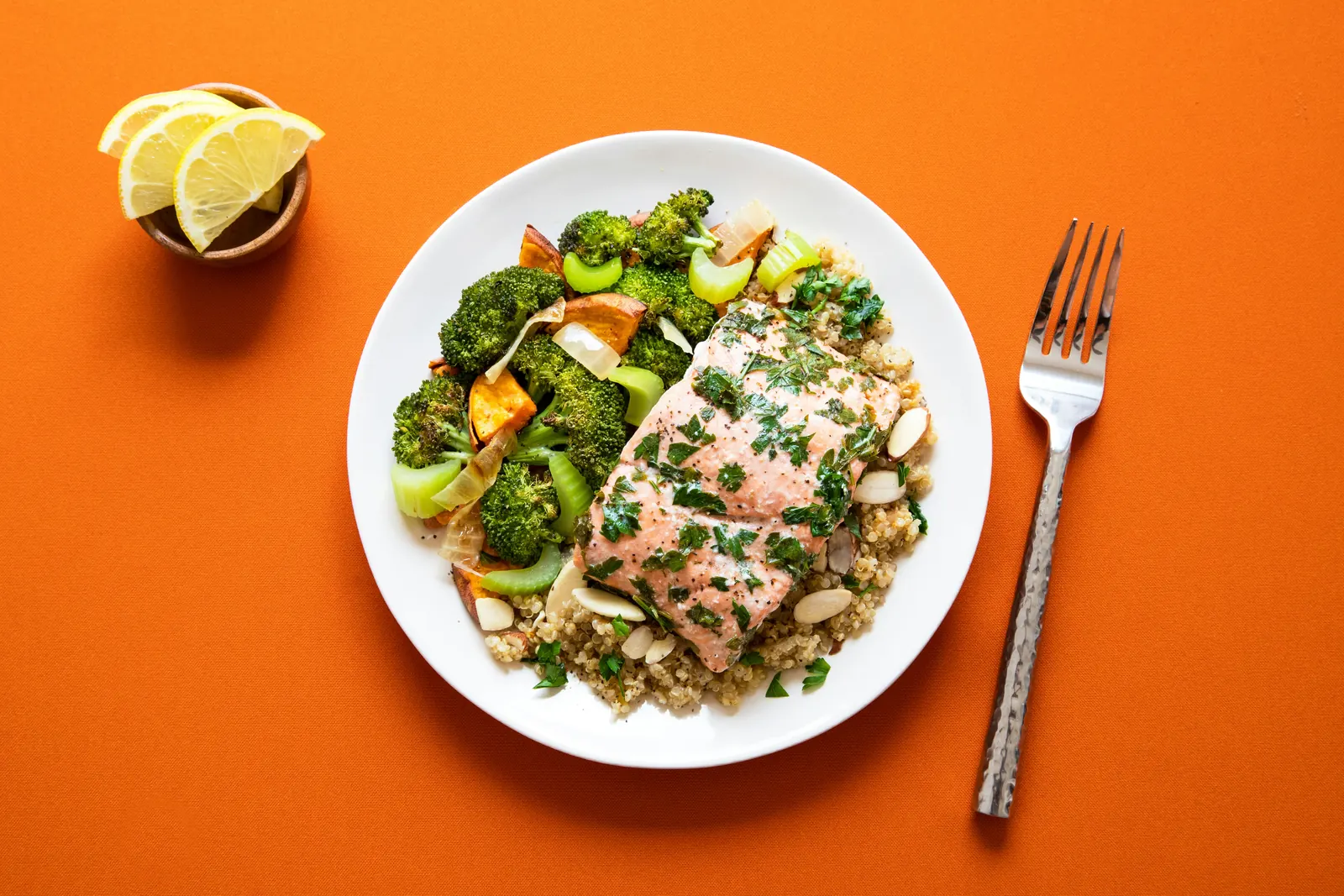
- Omega-3 polyunsaturated fats (fatty fish, flaxseed, walnuts): reduce Leydig cell-impairing inflammation and support cortisol regulation — a key testosterone antagonist
- Trans fats (partially hydrogenated oils, ultra-processed snacks): the only fat category with inverse associations — actively disrupt cell membranes in hormone-producing tissue
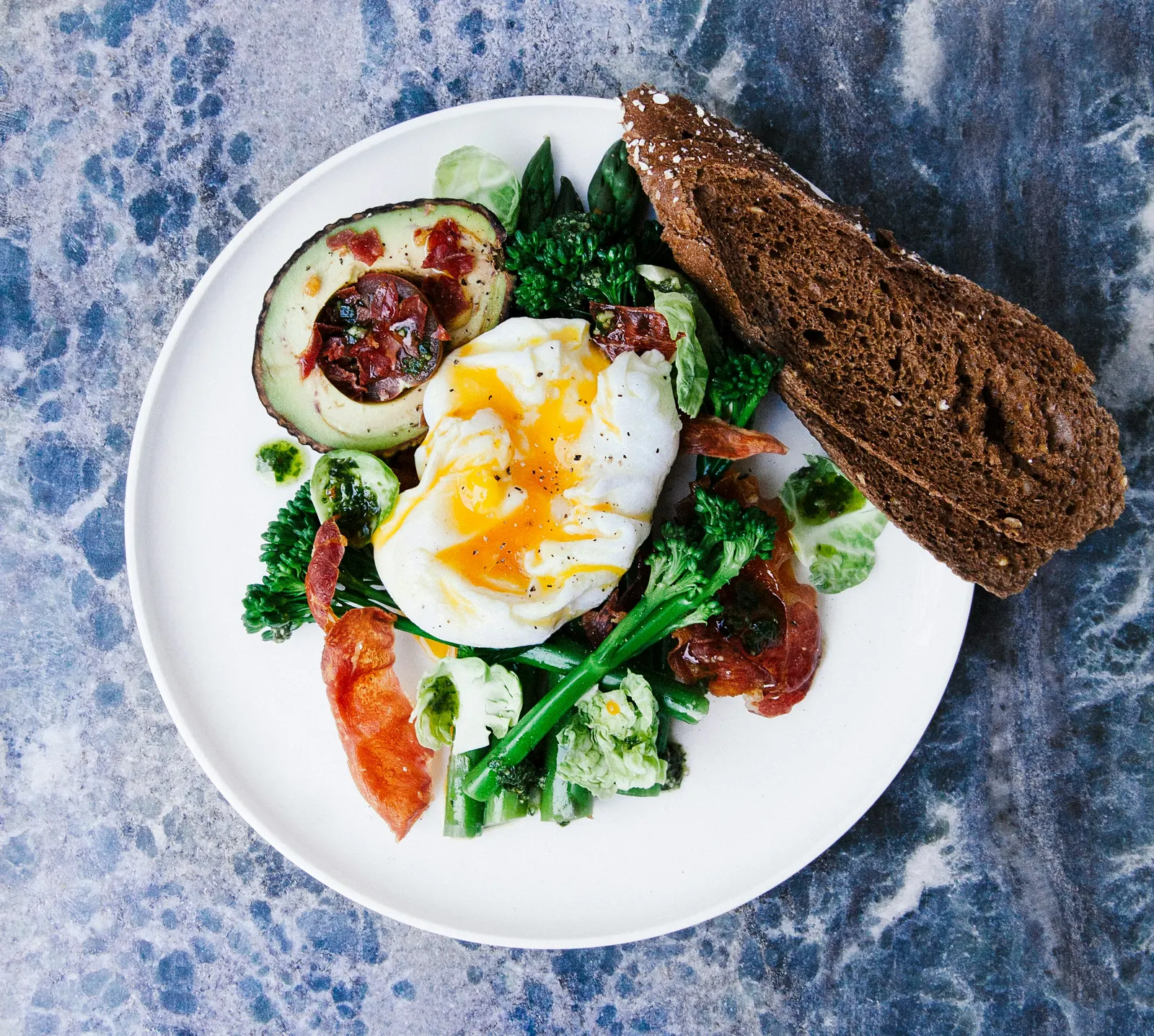
- Dietary cholesterol (eggs, shellfish, organ meats): provides direct precursor substrate; despite long-held fears, dietary cholesterol has minimal effect on serum LDL in most people and meaningfully supports steroidogenesis
Women, Estrogen, and the Fat Connection
The fat-hormone relationship is not a men's health issue — women are equally affected, and the consequences of under-eating fat are equally serious. Estrogen, like testosterone, is synthesized from cholesterol through the same pregnenolone pathway. In women, the ovaries are the primary steroidogenic tissue, but the adrenal glands and adipose tissue contribute as well. When dietary fat falls chronically low, circulating estrogen levels decline, disrupting the hypothalamic-pituitary-gonadal (HPG) axis. In athletes and highly active women, this manifests as hypothalamic amenorrhea — suppression of the menstrual cycle caused by insufficient hormonal signaling. This condition, part of the clinical syndrome known as Relative Energy Deficiency in Sport (RED-S), is associated with reduced bone density, impaired immune function, and mood dysregulation. Even in non-athletes, chronically low fat intake has been associated with earlier menopause onset and more severe perimenopausal symptoms, as the hormonal buffer provided by adequate dietary fat is diminished.
The Bottom Line
The research now supports targeting 25–35% of total daily calories from fat for optimal hormone production — with the emphasis on whole-food sources: eggs, fatty fish, avocados, olive oil, nuts, full-fat dairy, and unprocessed red meat in moderation. Eliminate industrially produced trans fats entirely and prioritize at least 1–2 servings of omega-3-rich fatty fish per week to keep inflammation in check. Avoiding fat to cut calories is a strategy that may cost you far more in hormonal function than it saves in the calorie ledger. Nutrilogix automatically tracks your fat intake — including the saturated, monounsaturated, and polyunsaturated breakdown — every time you log a meal, making it easy to confirm you're fueling hormone production, not starving it.