

Ghrelin: How to Control the Hunger Hormone That Drives Overeating
If you've ever tried to eat less and found yourself thinking about food constantly, that's not a willpower failure. It's ghrelin — the hunger hormone your body evolved to protect you from starvation, now working against your every attempt to cut calories. Understanding this hormone doesn't just explain why dieting is hard. It reveals exactly how to make it less hard.
What Is Ghrelin and Why Does Your Body Produce It?
Ghrelin is a peptide hormone produced primarily in the stomach lining and secreted in pulses before meals. It travels through the bloodstream to the hypothalamus — the brain's appetite control center — where it triggers a powerful drive to eat. When your stomach is empty, ghrelin rises. When it's full, ghrelin falls. This cycle makes ghrelin the body's most potent short-term hunger signal, and it operates on a rhythm your body learns and adapts to over time. Ghrelin evolved as a survival mechanism. During periods of food scarcity, elevated ghrelin ensured that our ancestors were strongly motivated to seek food. The problem is that this ancient biology now operates in a world of abundant, calorie-dense food — creating relentless pressure to eat that directly conflicts with modern health goals.
Why Diets Get Harder Over Time: The Ghrelin Rebound
The cruelest trick ghrelin plays on dieters is not just that it rises when you skip a meal — it's that it adapts to caloric restriction by rising higher and more persistently over time. Research consistently shows that people who lose weight through calorie restriction experience a sustained increase in ghrelin, even long after the acute restriction phase ends. This is part of what scientists call metabolic adaptation — the body's attempt to defend its previous weight. It explains a pattern many dieters recognize: the first week of a new plan often feels manageable, but by week four or five, the hunger becomes nearly unbearable. What feels like willpower failure is actually a physiological response — ghrelin has adapted upward, signaling more urgently for calories. Making matters worse, ghrelin also promotes fat storage, mildly slows metabolic rate, and reduces impulse control around food choices, creating a comprehensive biological pressure to eat and store energy.
6 Evidence-Based Strategies to Manage Ghrelin
- Prioritize protein at every meal: Protein is the most ghrelin-suppressing macronutrient. Studies show that high-protein meals (30–40g) suppress ghrelin more effectively and for longer than equivalent-calorie carbohydrate or fat meals. Breakfast protein is particularly important since ghrelin peaks in the morning.
- Eat regular meals at consistent times: Ghrelin secretion adapts to meal timing — it learns when you typically eat and rises in anticipation. Consistent meal timing trains ghrelin into a predictable, manageable pattern rather than spiking unpredictably throughout the day.
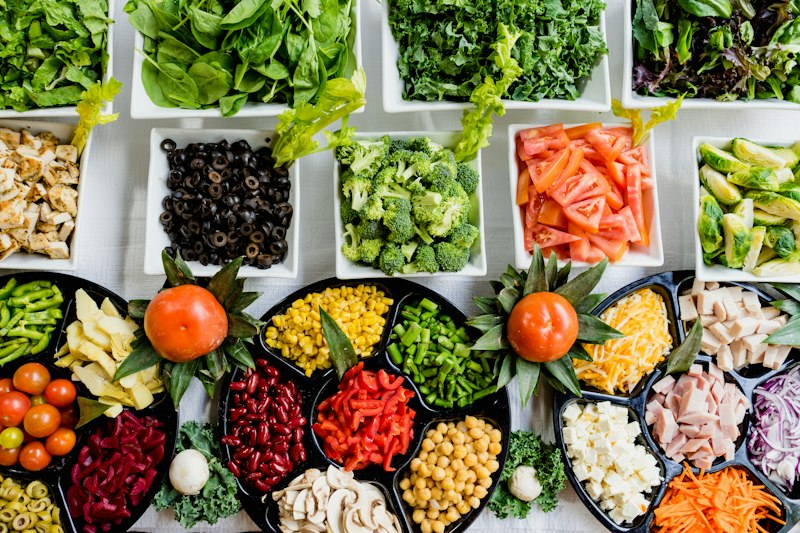
- Load meals with volume: Physical stomach distension is one of the most potent short-term ghrelin suppressors. Foods high in water and fiber — vegetables, legumes, broth-based soups — fill the stomach with fewer calories, mechanically suppressing ghrelin better than calorie-equivalent dense foods.
- Protect your sleep: A single night under 6 hours of sleep raises ghrelin by 15–28%. Chronic poor sleep creates a sustained ghrelin/leptin imbalance that significantly impairs appetite regulation — independent of what you eat.
- Manage chronic stress: Psychological and physiological stress elevates cortisol, which amplifies ghrelin's hunger signal. The combination drives overeating even when caloric needs are fully met.
- Avoid extreme caloric deficits: Aggressive restriction (500+ calories below maintenance) produces a sharper ghrelin rebound than modest deficits. A moderate deficit of 250–350 calories produces slower weight loss but substantially less ghrelin-driven hunger — and far better long-term adherence.
Ghrelin and Sleep: The Connection Most Dieters Miss
Of all the lifestyle factors that influence ghrelin, sleep is arguably the most powerful and the most underestimated. A pivotal University of Chicago study found that just two nights of sleep restriction (4 hours per night) produced a 28% increase in ghrelin, an 18% drop in leptin — the satiety hormone — a 24% increase in hunger ratings, and a 33% increase in cravings specifically for high-carbohydrate, calorie-dense foods. This isn't a marginal effect. It's a physiological state that actively promotes overconsumption regardless of how disciplined your food choices are when well-rested. The mechanism is a two-pronged attack: sleep deprivation simultaneously steps on the hunger gas and cuts the satiety brakes. The foods you crave most when sleep-deprived — chips, sweets, dense carbohydrates — are precisely those most likely to overwhelm any dietary plan.
The Bottom Line
Ghrelin is not your enemy — it's a biological system doing exactly what it evolved to do. But understanding its mechanisms gives you a meaningful edge. Prioritize protein at every meal, protect your sleep, build volume into your meals with fiber-rich foods, manage chronic stress, maintain consistent meal timing, and resist the urge to cut calories too aggressively. These aren't willpower strategies — they are physiological interventions that work with ghrelin's biology rather than against it. Tools like Nutrilogix can help you see whether your protein targets and meal timing are actually hitting their marks day-to-day, since the gap between nutritional intention and real intake is often exactly where hunger management quietly breaks down. The hunger you feel on a calorie deficit is real, measurable, and hormonally driven. The goal isn't to white-knuckle through it — it's to reconfigure the conditions that make it rise in the first place.