
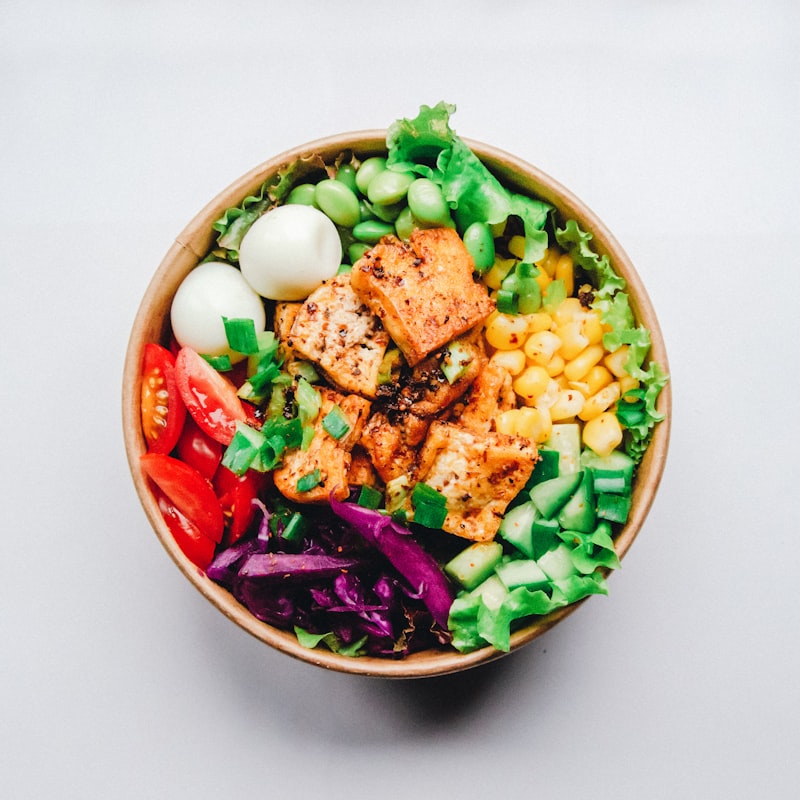
GLP-1: How to Naturally Activate Your Body's Appetite-Suppressing Hormone Through Food
If you've heard the term GLP-1 lately, you're not alone. Glucagon-like peptide-1 — the gut hormone that pharmaceutical companies have turned into blockbuster weight-loss drugs — is suddenly everywhere. But here's what most people don't realize: your body has been making GLP-1 naturally for your entire life. The critical question is whether your diet is actually triggering its release. The right foods can substantially increase your body's own GLP-1 output, improving satiety, blood sugar stability, and appetite control through your own biology.
What Is GLP-1 and Why Does It Matter?
GLP-1 is an incretin hormone secreted by L-cells lining your small intestine and colon in direct response to food. When released, it does three critically important things: it signals your brain's hypothalamus to reduce appetite, it slows gastric emptying so you feel full longer, and it stimulates insulin secretion proportional to blood glucose — dramatically improving blood sugar regulation. The sensation of genuine fullness after a balanced meal? That's largely GLP-1 doing its job. When GLP-1 secretion is blunted — as it tends to be in people eating diets heavy in ultra-processed, low-fiber foods — hunger signals become dysregulated, portion control shifts from a biological function to an act of pure willpower, and blood sugar swings become more pronounced. Restoring robust GLP-1 secretion through diet is arguably one of the most underappreciated levers in nutrition science.
Foods That Naturally Stimulate GLP-1 Release
- High-soluble-fiber foods: Oats, beans, lentils, barley, and psyllium husk ferment in the colon into short-chain fatty acids (SCFAs) — particularly butyrate and propionate — which are among the most potent natural stimulators of intestinal L-cell GLP-1 secretion. Aim for 25–38g of total fiber daily, prioritizing soluble sources.
- Lean protein at every meal: Eggs, fish, chicken, Greek yogurt, and legumes all trigger GLP-1 release through direct stimulation of gut peptide secretion. Whey protein has been shown to produce a rapid and substantial GLP-1 spike within 30 minutes of consumption, making it a uniquely effective breakfast or pre-meal protein.
- Fatty fish and omega-3-rich foods: Salmon, sardines, and mackerel contain EPA and DHA, which modulate L-cell sensitivity to nutrient signals. Regular omega-3 intake correlates with improved GLP-1 responsiveness and greater postprandial satiety over time.
- Fermented foods: Yogurt, kefir, kimchi, and sauerkraut improve gut microbiome diversity, which in turn supports greater L-cell density throughout the intestinal lining. A well-nourished microbiome produces more butyrate — directly feeding the GLP-1-secreting cells you want most active.
- Polyphenol-rich foods: Berries, dark chocolate (85%+), green tea, and extra-virgin olive oil contain polyphenols shown in clinical trials to enhance GLP-1 secretion. Resveratrol and quercetin — found in grapes, onions, and apples — appear particularly active at stimulating the GLP-1 response.

The Fiber-GLP-1 Connection Runs Deeper Than You Think
Of all dietary variables, fiber's relationship to GLP-1 is the most thoroughly documented. When soluble fiber reaches your colon, gut bacteria ferment it into short-chain fatty acids that bind to free fatty acid receptors (FFAR2 and FFAR3) on intestinal L-cells — directly triggering GLP-1 release. A 2020 study in Cell Host & Microbe demonstrated that participants who increased dietary fiber by just 12g per day over 12 weeks showed a 24% increase in their postprandial GLP-1 response, alongside meaningful improvements in satiety scores and reductions in ad libitum calorie intake. The mechanism extends further: fiber also slows the rate at which nutrients reach L-cells in the distal gut, prolonging the 'nutrient sensing window' and sustaining GLP-1 secretion at higher levels for longer. This is precisely why a bowl of lentils and roasted vegetables produces a fundamentally different satiety response than the same number of calories from white rice and bread — not just glycemically different, but hormonally different at the cellular level.
The Bottom Line
GLP-1 isn't a pharmaceutical concept that appeared with the latest weight-loss drugs — it's a hormone your body has been managing through food for your entire life. The modern ultra-processed diet effectively suppresses natural GLP-1 secretion by stripping out the fiber, protein diversity, and fermented foods that L-cells depend on. A whole-food diet built around high-fiber vegetables, legumes, lean proteins, fermented foods, and polyphenol-rich ingredients can meaningfully restore that response. You won't replicate pharmaceutical GLP-1 agonist concentrations through diet alone — that's not the claim — but the appetite regulation, blood sugar stability, and satiety improvements that come from eating to support your natural GLP-1 are real, measurable, and compounding over time. Consistently tracking your fiber and protein intake is the easiest way to ensure you're hitting the thresholds that matter — and tools like Nutrilogix make it effortless to build these habits without relying on guesswork or willpower alone.