
Iron Deficiency: The Most Common Nutritional Deficiency Behind Your Fatigue
Iron deficiency is the most widespread nutritional deficiency on the planet — affecting an estimated 1.6 billion people worldwide according to the WHO. And here's what makes it so quietly damaging: the vast majority of those people have never been tested for it. It doesn't announce itself with dramatic symptoms. Instead, it presents as a constellation of vague, easily explained-away complaints: persistent fatigue that sleep doesn't fix, brain fog that clouds afternoon thinking, breathlessness during workouts that feels disproportionate to your fitness level, cold hands and feet, and a baseline difficulty concentrating that quietly degrades quality of life for months or years. These symptoms are so normalized in modern adult life that most people attribute them to stress, overwork, or aging rather than a correctable nutritional gap that a targeted blood test and dietary adjustment can meaningfully resolve.
What Iron Actually Does Inside Your Body
Iron's role in the body extends far beyond its popular association with 'healthy blood.' As the central component of hemoglobin, iron binds oxygen in red blood cells and delivers it to every tissue that needs it — the most demanding of which are the brain and skeletal muscle. Without adequate iron, hemoglobin cannot be synthesized in sufficient quantities, oxygen delivery falls, and cells progressively lose their capacity for efficient aerobic energy production. But iron's reach doesn't stop at oxygen transport. It is the catalytic core of myoglobin, which stores oxygen within muscle fibers for rapid release during activity, and of the cytochrome enzymes that drive the electron transport chain at the heart of mitochondrial ATP production. Your mitochondria — the energy generators of every cell — are fundamentally iron-dependent. This is why iron deficiency fatigue feels categorically different from ordinary tiredness: it is a cellular energy production deficit, not mere sleepiness, and it responds poorly to rest because the underlying biochemistry is compromised. The key diagnostic biomarker most standard panels miss is serum ferritin — your body's iron storage protein — which begins declining months or years before hemoglobin falls below normal range. Research increasingly shows that ferritin below 50 ng/mL (despite being 'normal' on many lab reference ranges) is associated with significant fatigue, impaired exercise capacity, and reduced cognitive function in otherwise healthy adults.
Heme vs. Non-Heme Iron: Why Not All Dietary Iron Is Equal
Dietary iron comes in two fundamentally different forms with dramatically different bioavailability. Heme iron — found exclusively in animal products (red meat, poultry, fish, shellfish, and organ meats) — is incorporated into hemoglobin and myoglobin structures that the intestinal mucosa absorbs via a dedicated transporter with exceptional efficiency: 15–35% absorption, largely unaffected by the composition of the meal around it or the body's existing iron stores. Non-heme iron — found in plant foods (leafy greens, legumes, tofu, nuts, fortified cereals) and most iron supplements — is absorbed at a far lower and more variable rate, typically 2–20%, and is highly sensitive to the dietary environment. Phytic acid in whole grains and legumes, polyphenols in coffee and black tea, and competing minerals like calcium can each reduce non-heme iron absorption by 30–90%. This absorption gap has profound practical implications: plant-based eaters require approximately 1.8 times more dietary iron than meat eaters to maintain equivalent iron status, and iron deficiency is consistently among the most prevalent nutritional concerns in vegetarian and vegan populations who haven't actively compensated for the bioavailability difference.
- Beef liver and red meat: Beef liver provides approximately 5mg of highly bioavailable heme iron per 100g — one of the most concentrated iron sources available. A standard 100g serving of cooked beef delivers 3–4mg of heme iron at 20–35% absorption efficiency, making it the most reliable dietary iron source for consistent status maintenance.
- Oysters and clams: Oysters are the most iron-dense food per serving, providing 7–9mg of heme iron per 100g — alongside zinc, B12, and selenium. Regularly overlooked as an iron strategy and among the most nutritionally complete whole foods available.
- Dark leafy greens (spinach, Swiss chard): Spinach provides 3.6mg of non-heme iron per 100g cooked — but at 5–12% absorption, the effective delivered iron is limited. Pairing with vitamin C sources can increase absorption two- to three-fold; cooking concentrates iron content significantly per serving.
- Lentils and legumes: Cooked lentils deliver approximately 3.3mg of non-heme iron per cup, with improved bioavailability when soaked, sprouted, or fermented — processes that reduce phytic acid content by 30–60% and meaningfully raise effective absorption.
- Pumpkin seeds: Among the most iron-dense plant foods by weight, delivering approximately 2.5mg per ounce. Also provide zinc and magnesium — micronutrients frequently co-deficient with iron in low-meat diets — making them an efficient multi-mineral whole food investment.
- Fortified whole grain cereals: Iron-fortified cereals can deliver 8–18mg per serving, though elemental iron bioavailability averages just 5%. Consistent consumption alongside a vitamin C source substantially raises the effective absorbed dose, making it a practical strategy for plant-based eaters with elevated iron requirements.
What Enhances and What Blocks Iron Absorption
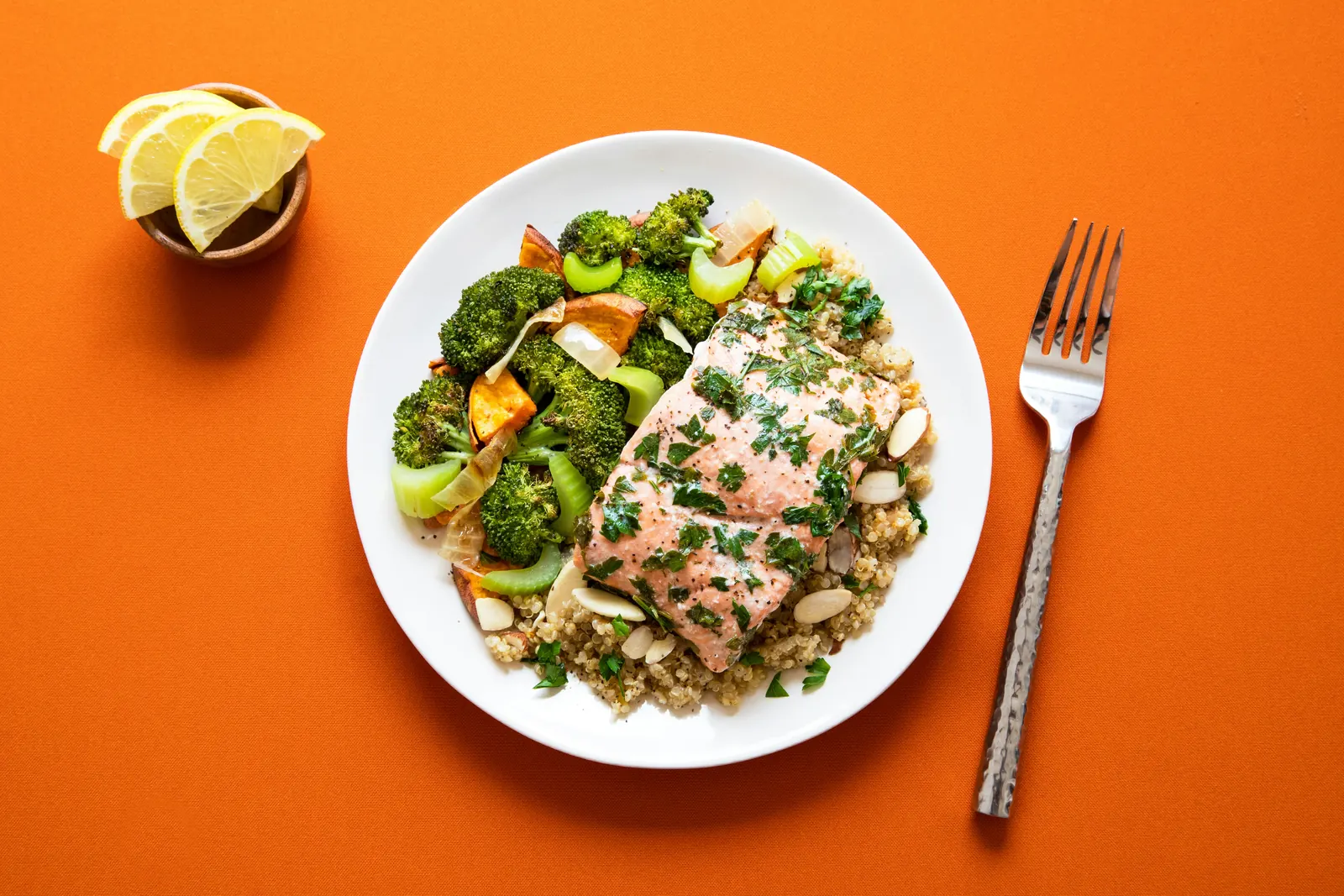
Vitamin C (ascorbic acid) is the single most potent enhancer of non-heme iron absorption: it converts ferric iron to the ferrous form that intestinal transporters preferentially absorb, and chelates iron in a way that keeps it soluble throughout digestion. Consuming vitamin C alongside non-heme iron sources — squeezing lemon over lentils, adding tomatoes to spinach, pairing fortified cereal with orange juice — can increase non-heme absorption by 2–6 fold. Meat, fish, and poultry also enhance non-heme iron absorption via the 'meat factor' — a digestive peptide from animal protein that directly promotes non-heme iron uptake, independent of the heme iron in the same food. On the inhibition side, coffee and black tea contain polyphenols that bind non-heme iron and reduce its absorption by 60–90% when consumed with or immediately after meals — making the common habit of coffee or tea alongside iron-rich food one of the most prevalent and easily corrected contributors to iron deficiency in susceptible individuals. Phytic acid in whole grains, legumes, and seeds forms insoluble complexes with non-heme iron that are largely unabsorbable — reduced significantly by soaking, sprouting, or cooking. Calcium from dairy or supplements competes directly with iron at intestinal absorption sites; separating calcium-rich foods from high-iron meals by one to two hours meaningfully preserves absorption of both.
The Bottom Line
Iron deficiency is not a rare clinical finding — it is the world's most prevalent nutritional deficiency, with symptoms common enough to be chronically misattributed and a diagnostic gap stemming from over-reliance on hemoglobin rather than ferritin as the primary screening marker. If you experience persistent unexplained fatigue, brain fog, reduced exercise tolerance, or difficulty concentrating — particularly if you are a premenopausal woman, a plant-based eater, a distance runner, or a regular blood donor — a serum ferritin test (not just a standard CBC) is the appropriate starting point. Research supports a target ferritin level above 50 ng/mL for optimal energy and cognitive function. Optimizing dietary iron means incorporating heme iron from red meat, shellfish, and poultry where possible; pairing every plant-based iron meal with a vitamin C source; and avoiding coffee, tea, and calcium-rich foods in the hour surrounding your highest-iron meals. For those supplementing, ferrous bisglycinate is significantly better absorbed and better tolerated than ferrous sulfate, with evidence supporting comparable efficacy at lower doses. Tracking the iron and micronutrient density of your meals over time — the way Nutrilogix makes nutritional patterns visible across your day and week — is the most practical first step to identifying whether your diet is consistently delivering what your cells need to generate energy efficiently.