
Longevity Diet: What Blue Zones Reveal About Eating to Live Past 100
In the early 2000s, National Geographic researcher Dan Buettner partnered with demographers and epidemiologists to identify something extraordinary: five geographically distinct regions of the world — Sardinia, Italy; Okinawa, Japan; Loma Linda, California; Nicoya, Costa Rica; and Ikaria, Greece — were producing centenarians at rates up to ten times higher than the United States average. Buettner called them Blue Zones. Researchers have spent the past two decades trying to understand why people there live so long, so well. The answer, it turns out, has far less to do with genetics than with what people put on their plates — and how they eat it.
What Blue Zones Actually Are
Blue Zones are not a diet plan — they are real places where the science of extreme longevity can be observed in living populations. While lifestyle factors like strong social bonds, low chronic stress, and daily low-intensity movement all contribute, food emerges consistently as the most modifiable shared variable across all five regions. The populations aren't identical in what they eat: Sardinians consume substantial amounts of sheep's milk pecorino and locally produced Cannonau wine; Okinawans build their diet around purple sweet potato, tofu, and bitter melon; Seventh-day Adventists in Loma Linda follow a fully plant-based diet. But when researchers looked for what all five populations had in common, the convergences were striking enough to build a coherent nutritional framework.
The Core Dietary Principles Across All Five Blue Zones
Despite their geographic and cultural differences, Blue Zone populations share a consistent set of dietary habits that nutritional science can now explain mechanistically. These are not arbitrary traditions — they are centuries of lived experimentation that happened to converge on what biochemistry predicts about aging and chronic disease prevention.
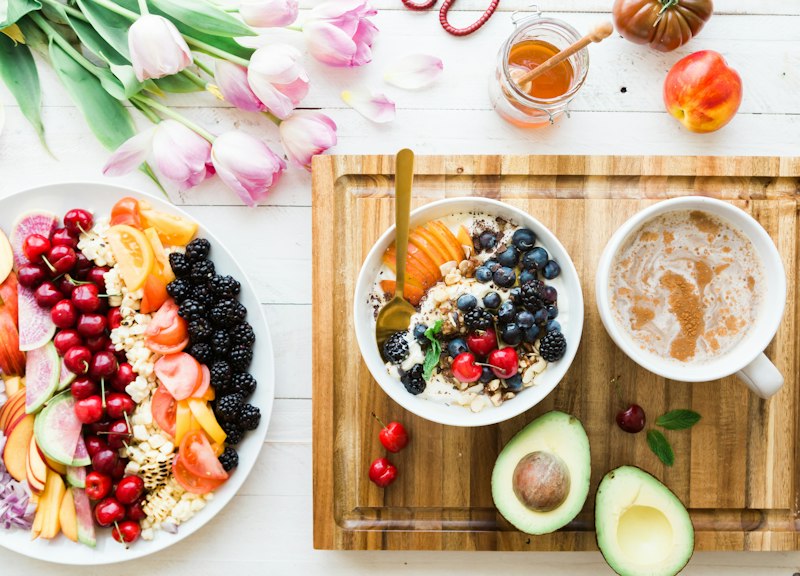
- Predominantly plant-based (not necessarily vegan): Most Blue Zone populations eat meat occasionally — just a few times per month — but the overwhelming majority of their daily calories come from vegetables, legumes, whole grains, and fruits. Animal protein is a condiment, not a centerpiece.
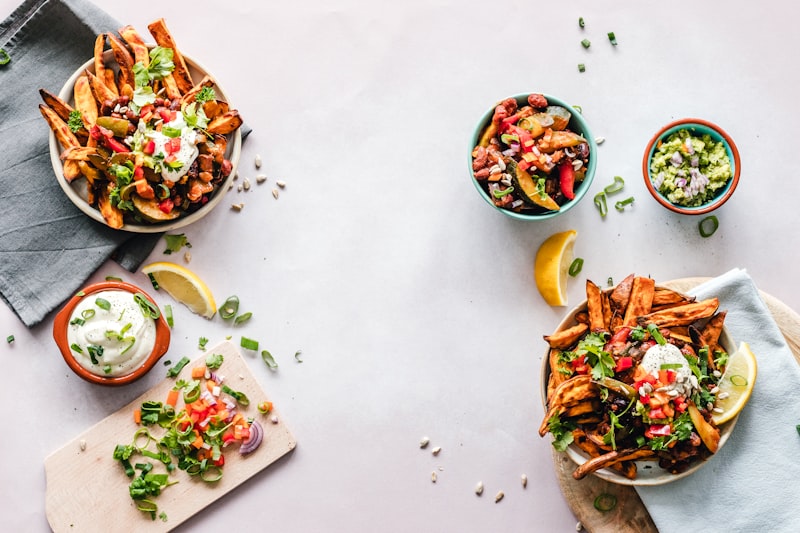
- Legumes as the cornerstone protein source: Beans, lentils, black beans, chickpeas, and fava beans are consumed daily across every Blue Zone. Averaging roughly one cup of cooked legumes per day is one of the strongest single dietary predictors of longevity found in the data.
- Minimal refined sugar and ultra-processed foods: Blue Zone diets contain dramatically less added sugar than Western diets — not because of willpower, but because processed foods were historically absent from their food environments. Natural sweetness comes from whole fruit.
- Healthy fats, not low-fat diets: Sardinians and Ikarians use generous amounts of extra-virgin olive oil; Okinawans consume soy-based fats and fatty fish. No Blue Zone follows a low-fat diet. The focus is on quality of fat, not restriction of it.
- Mindful, moderate eating: Okinawans practice hara hachi bu — a Confucian principle of eating until 80% full rather than satiated. This cultural habit functions as a natural caloric restriction mechanism without any calorie counting.
- Alcohol in moderation and with community (for some): Sardinian and Ikarian men typically consume 1–2 glasses of locally produced, high-polyphenol wine daily — specifically with meals and in social settings, not in isolation.
The Biochemistry Behind Why It Works
The longevity benefits of Blue Zone eating patterns aren't mystical — they map cleanly onto what nutritional biochemistry predicts about aging. Legumes are rich in soluble fiber, which feeds beneficial gut bacteria (Bifidobacterium and Lactobacillus), reducing systemic inflammation — one of the primary molecular drivers of all age-related disease. Their resistant starch content improves insulin sensitivity and blunts postprandial blood glucose spikes, which are strongly correlated with accelerated biological aging and telomere shortening. The polyphenols in extra-virgin olive oil — particularly oleocanthal — inhibit COX-1 and COX-2 inflammatory enzymes, the same targets as ibuprofen, at concentrations achievable through regular culinary use. Perhaps most powerfully, the mild caloric restriction encoded in cultural practices like hara hachi bu activates SIRT1 (a sirtuin longevity gene), AMPK (an energy-sensing enzyme linked to reduced cancer and metabolic disease risk), and autophagy — the cellular self-cleaning process that clears dysfunctional proteins and organelles implicated in neurodegeneration and cancer.
The Bottom Line
Blue Zones don't offer a rigid meal plan — they offer something more valuable: a validated, replicated proof of concept for how populations can eat their way toward longer, healthier lives. The practical takeaway is not that you need to move to Sardinia or adopt a fully plant-based diet overnight. It's that moving your eating pattern incrementally toward what the science of longevity supports — more beans, less processed meat; more olive oil, less refined sugar; more slow meals with people you love — produces measurable improvements in the biological markers of aging. Tracking your diet with a tool like Nutrilogix makes it easy to see where your current pattern diverges from these principles and to make the small, consistent shifts that compound, over years, into decades of healthier living.