
Polyphenols: The Color-Coded Science Behind Disease Prevention and Longevity
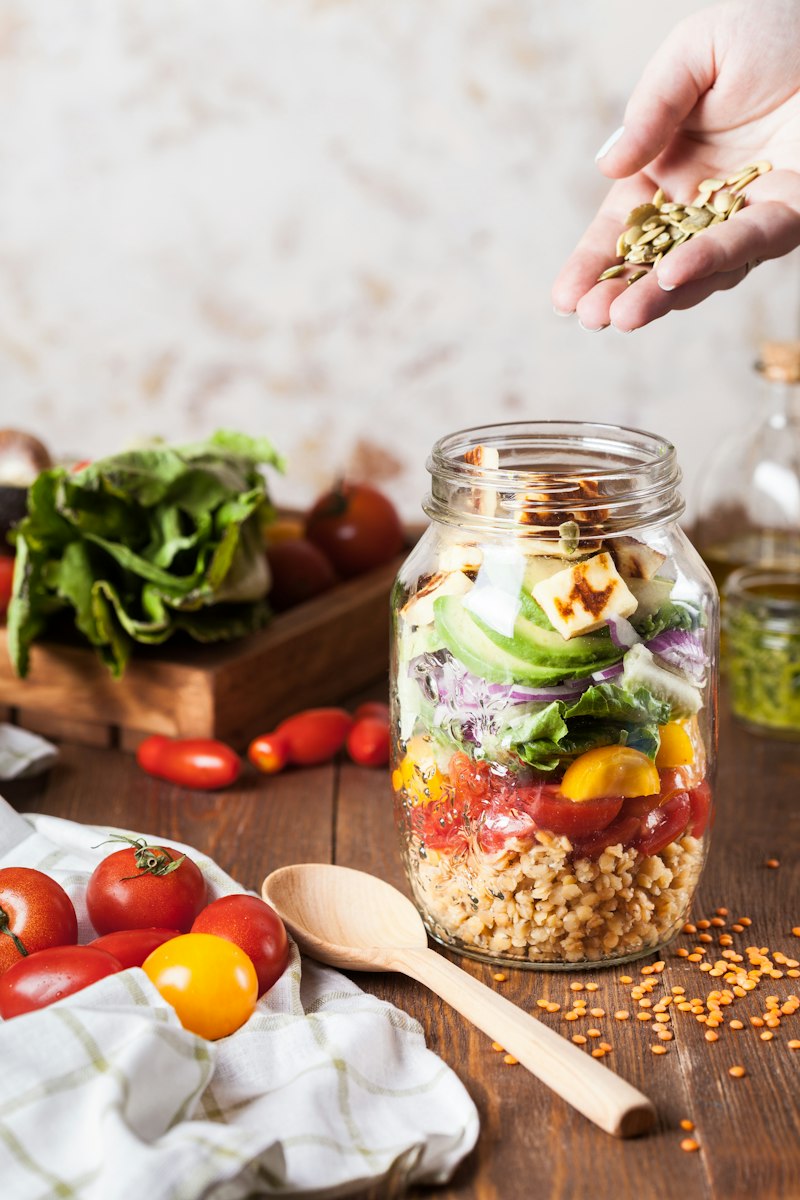
The color of your food is not a marketing gimmick — it is a biochemical signal. The deep blue of blueberries, the vivid red of tomatoes, the bright yellow of turmeric, the emerald green of broccoli: these pigments are polyphenols, a family of over 8,000 structurally distinct plant compounds that plants synthesize for their own survival and that your body, it turns out, may need more than any nutrition label currently reflects. Polyphenols don't appear on food labels, aren't classified as essential vitamins, and carry no calories — yet two decades of research spanning hundreds of clinical trials and large prospective cohort studies consistently links high polyphenol intake to lower rates of cardiovascular disease, type 2 diabetes, cognitive decline, and all-cause mortality. The science has moved well past 'eat more vegetables' to specific mechanisms, dose-response data, and evidence-backed strategies that are actionable today.
What Polyphenols Are — and Why Plants Make Them
Polyphenols are divided into four major structural classes: flavonoids (which encompass flavonols, flavanols, anthocyanins, isoflavones, and flavanones — the largest and most studied group), phenolic acids (found in coffee, whole grains, and many berries), stilbenes (including resveratrol from red grapes and certain berries), and lignans (concentrated in flaxseed, sesame, and whole grains). Plants evolved these compounds not for human consumption but for their own survival: as UV radiation absorbers, antimicrobial agents, deterrents to herbivorous insects, and pigments that signal ripeness to seed-dispersing animals. What makes them nutritionally remarkable is that many of these plant defense mechanisms — particularly their ability to neutralize free radicals, modulate enzyme activity, and signal through shared biochemical receptor pathways — translate directly into human health benefits when consumed consistently. The most studied individual polyphenols include quercetin (onions, capers, apples), EGCG (green tea), anthocyanins (blueberries, black currants, acai), curcumin (turmeric), and resveratrol (red grape skins). Their sheer chemical diversity is part of why whole-food sources consistently outperform isolated extracts in clinical trials — plants deliver dozens of synergistic compounds in a single bite.
The Cardiovascular, Metabolic, and Blood Sugar Evidence
Polyphenols act on cardiovascular health through several distinct and additive mechanisms. They directly inhibit the oxidative modification of LDL cholesterol — a critical initiating step in atherosclerotic plaque formation — and activate endothelial nitric oxide synthase (eNOS), the enzyme that generates nitric oxide for blood vessel dilation. A meta-analysis of 22 randomized controlled trials found flavonoid supplementation reduced systolic blood pressure by an average of 3.8 mmHg and LDL cholesterol by 2.9 mg/dL — effects that at a population level meaningfully reduce cardiovascular event risk. For blood sugar and insulin sensitivity, the mechanisms are equally concrete. Quercetin and EGCG activate AMPK — the cellular energy sensor that mimics many metabolic benefits of exercise — improving glucose uptake in skeletal muscle and reducing hepatic glucose output. Quercetin also inhibits α-glucosidase and α-amylase, the enzymes responsible for breaking down dietary starches into absorbable glucose, slowing carbohydrate digestion in ways that measurably blunt post-meal blood sugar spikes. A 2023 systematic review of 29 randomized controlled trials confirmed that total polyphenol intake from whole foods produced statistically significant reductions in fasting glucose, fasting insulin, and HOMA-IR — a direct indicator of insulin resistance — across diverse populations, with effect sizes comparable to several established pharmacological dietary interventions.
- Blueberries and mixed berries: The richest accessible source of anthocyanins — the blue-purple pigments with the strongest evidence for cardiovascular and cognitive protection. A 2020 RCT in the American Journal of Clinical Nutrition found that 26g of blueberry powder daily for 6 months improved endothelial function by 2.4% in adults at cardiovascular risk — an effect comparable to low-dose statin therapy in similar populations.
- Green tea (3–5 cups daily): Delivers EGCG at concentrations that inhibit multiple oxidative and inflammatory pathways. Meta-analyses consistently show 3–5 daily cups reduces fasting glucose by 2–3 mg/dL and LDL by 2–5 mg/dL. Matcha provides 3–5 times the EGCG of brewed green tea due to whole-leaf consumption rather than steeping.
- Extra virgin olive oil (high-phenolic): Oleocanthal and oleuropein — polyphenols in first cold-press EVOO — inhibit COX-1 and COX-2 enzymes with ibuprofen-like anti-inflammatory potency. A 2022 RCT found high-phenolic EVOO at 50ml/day reduced circulating IL-6 by 12% over 8 weeks. The peppery throat sensation of quality EVOO is a sensory biomarker of oleocanthal concentration — the more pronounced the burn, the higher the phenol content.
- Dark chocolate (≥70% cacao, 20–30g daily): Cocoa flavanols — particularly epicatechin — activate eNOS and improve flow-mediated vasodilation. A 2017 meta-analysis of 19 RCTs confirmed significant blood pressure and LDL oxidation reductions from daily dark chocolate. Higher cacao percentage means more flavanols and less sugar — a favorable nutritional trade-off with strong clinical backing.
- Red onions, capers, and apples: The most concentrated dietary sources of quercetin, with capers delivering approximately 234mg per 100g — the highest quercetin density of any common food. Red and yellow onions eaten raw provide the most bioavailable quercetin; cooking reduces content by 30–50% but increases cellular absorption of what remains.

The Gut Microbiome and Cognitive Frontier
One of the most significant — and most recent — revelations in polyphenol research concerns the gut microbiome as an essential intermediary. Up to 95% of dietary polyphenols are not absorbed in the small intestine: they reach the colon largely intact, where gut bacteria metabolize them into smaller, structurally distinct bioactive compounds that are often more potent than the parent molecules. Urolithins, produced from ellagitannins in pomegranates and walnuts by specific gut bacterial species, activate mitophagy — the cellular recycling of damaged mitochondria — at levels unmatched by any other known dietary compound in early human trials. Equol, a metabolite of the soy isoflavone daidzein, is produced only by people harboring specific bacterial communities, and those producers demonstrate significantly greater cardiovascular and hormonal benefits from soy consumption than non-producers. Polyphenols simultaneously act as prebiotics, selectively enriching Lactobacillus, Bifidobacterium, and Akkermansia muciniphila — a species strongly associated with metabolic health and intestinal barrier integrity. The brain benefits run parallel: polyphenol metabolites cross the blood-brain barrier, suppress neuroinflammation through microglial NF-κB inhibition, and upregulate BDNF (brain-derived neurotrophic factor) — the protein governing synaptic plasticity and neurogenesis in regions critical for memory and learning. Tracking the variety and frequency of plant foods in your daily diet — the way Nutrilogix makes your food patterns visible over time — is the most accessible first step to understanding whether your polyphenol intake is consistent enough to produce these downstream effects.
The Bottom Line
Polyphenols represent a dimension of food quality that standard nutrition labels don't capture and that macro tracking alone can't account for. But the evidence for their significance — spanning cardiovascular protection, blood sugar regulation, gut microbiome enrichment, and cognitive defense — is among the most consistent in nutritional epidemiology. The practical strategy doesn't require supplements or exotic ingredients: build meals around color diversity, eat 5 or more servings of varied fruits and vegetables daily, drink green or black tea regularly, use high-phenolic extra virgin olive oil as your primary cooking fat, include berries several times a week, and add dark chocolate and onions liberally. Every plant food delivers a different polyphenol profile, which is precisely why dietary variety — not just dietary volume — is one of the most evidence-backed predictors of microbiome health and long-term metabolic resilience. The color on your plate is data. Pay attention to it.