
The Science of Satiety: Why You're Always Hungry
It's 3 PM. You had lunch at noon, but your stomach is already growling. You try to push through, but eventually, you grab a snack-and then another. Why does this happen? Is it a lack of willpower?
Likely not. The culprit is usually satiety-or the lack thereof. Satiety is the feeling of fullness that persists after eating, suppressing the urge to eat again. And it's governed by a complex interplay of hormones, food volume, and nutrient density.
The Hunger Hormones: Ghrelin & Leptin
Two key players control your hunger:
- Ghrelin: The "hunger hormone." It signals your brain that it's time to eat. It spikes before meals and falls after.
- Leptin: The "satiety hormone." Produced by fat cells, it tells your brain you have enough energy stored.
Ultra-processed foods often disrupt these signals, leading to "leptin resistance," where your brain doesn't get the message that you're full.
The Satiety Formula
To maximize satiety, you need to hit three main targets in every meal:
1. Protein
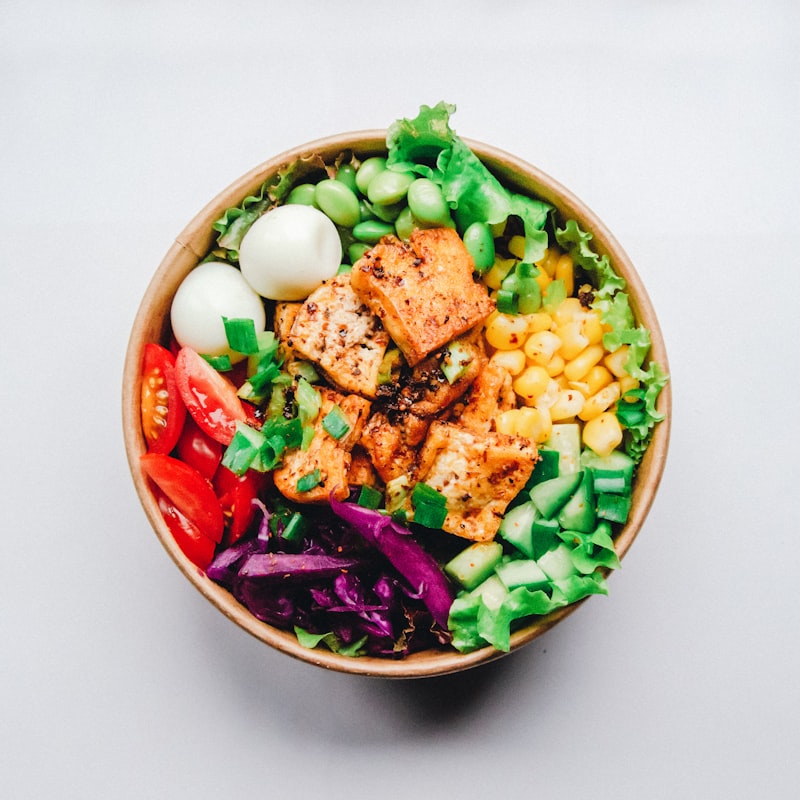
Protein is the most satiating macronutrient. It reduces ghrelin levels and boosts peptide YY, a hormone that makes you feel full. Aim for 20-30g per meal.
2. Fiber & Volume
Fiber slows down stomach emptying and expands in your gut. High-volume foods (like leafy greens) trigger physical stretch receptors in your stomach, signaling fullness without overloading on calories.
3. Food Texture
Solid foods are more satiating than liquids. A protein smoothie is digested much faster than a chicken breast, leaving you hungry sooner.