
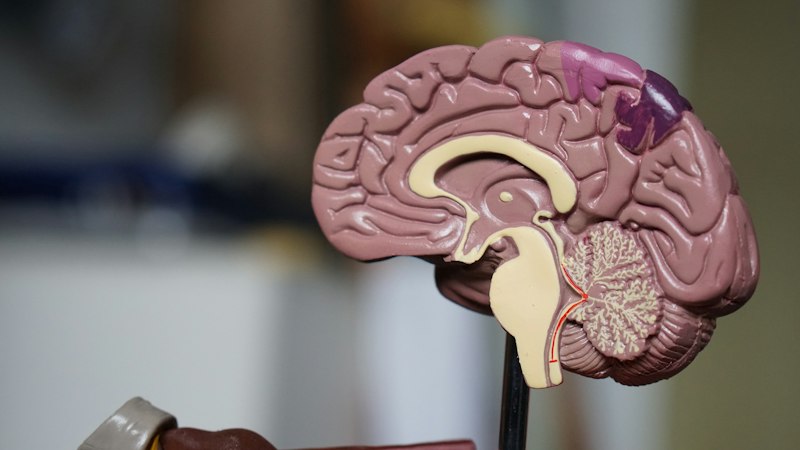
Tryptophan: How Food Directly Controls Your Mood, Sleep, and Stress Through Serotonin
Every time you sit down to eat, you're doing more than refueling your body — you're directly shaping the chemistry of your brain. The foods you choose influence the production of serotonin, the neurotransmitter most closely linked to mood stability, emotional resilience, and a sense of well-being. The molecule that bridges your plate to your mental state is an essential amino acid called tryptophan, and understanding how it works is one of the most actionable pieces of nutritional science you can put to use today.
What Is Tryptophan and Why It Matters
Tryptophan is classified as an essential amino acid — your body cannot synthesize it, and every molecule must come from food. It is one of the least abundant amino acids in the typical Western diet and yet one of the most metabolically consequential. Once absorbed from the gut, tryptophan is routed through several biochemical pathways: the kynurenine pathway, which handles roughly 95% of its metabolism and produces compounds regulating immunity and inflammation; and the smaller but enormously influential serotonin pathway, which converts tryptophan first into 5-HTP (5-hydroxytryptophan) and then into serotonin. Serotonin, in turn, serves as the direct precursor to melatonin — the hormone governing your circadian sleep-wake rhythm. This single chain from amino acid to hormone explains why what you eat in the evening can meaningfully affect both your mood throughout the day and the depth of your sleep that night.
How Tryptophan Becomes Serotonin and Melatonin
The conversion pathway is elegantly interconnected. Dietary tryptophan is first acted upon by the enzyme tryptophan hydroxylase (TPH), converting it into 5-HTP. A second enzyme then decarboxylates 5-HTP into serotonin (5-hydroxytryptamine, or 5-HT). In the brain's pineal gland, serotonin is further converted into melatonin during periods of darkness — which is why robust serotonin availability throughout the day directly predicts melatonin production at night. One counterintuitive detail: approximately 90–95% of the body's serotonin is actually produced in the gut's enterochromaffin cells, where it regulates intestinal motility and signals the brain via the vagus nerve. However, this peripheral serotonin cannot cross the blood-brain barrier. Only circulating tryptophan can reach the brain to support central serotonin synthesis — which makes consistent dietary tryptophan intake not just helpful, but essential for stable brain chemistry.
- Turkey and chicken (85g serving): ~300–350mg tryptophan — among the most concentrated sources per serving, with B6 in dark meat supporting the conversion enzymes
- Whole eggs (2 large): ~160–180mg; whole eggs are superior to whites alone because the yolk delivers the vitamin B6 required as a cofactor for serotonin synthesis
- Pumpkin seeds (28g / 1oz): ~170mg — one of the highest plant-based sources, also supplying zinc and magnesium, two minerals that support tryptophan pathway enzymes
- Salmon and fatty fish (85g serving): ~250–300mg tryptophan plus omega-3 fatty acids that enhance serotonin receptor sensitivity downstream
- Tempeh and tofu (100g): ~120–150mg; fermented tempeh offers superior bioavailability due to reduced phytate content that can otherwise impair amino acid absorption
- Milk and hard cheese: ~100–120mg per cup of milk; the warm milk sleep remedy has genuine biochemical support through the tryptophan-to-melatonin pathway
The Carbohydrate-Tryptophan Connection
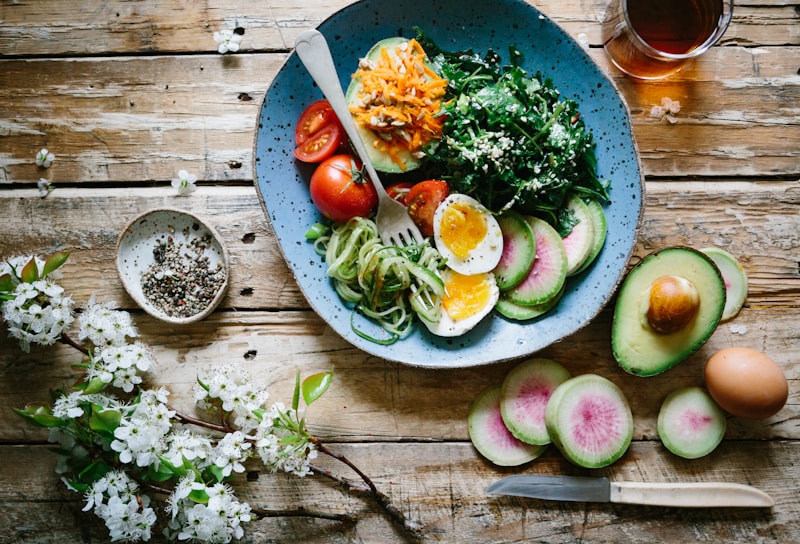
One of the most counterintuitive discoveries in nutritional neuroscience is that eating carbohydrates alongside tryptophan-containing protein meaningfully improves how much tryptophan actually reaches the brain. The reason involves amino acid competition: tryptophan shares transport proteins across the blood-brain barrier with several other large neutral amino acids (LNAAs) — valine, leucine, isoleucine, phenylalanine, and tyrosine. When you eat a high-protein meal, these competing amino acids flood the bloodstream in far greater quantities than tryptophan and effectively crowd it out of the transport queue. When you eat carbohydrates, insulin is released — and insulin preferentially drives those competing LNAAs into muscle tissue for protein synthesis, lowering their plasma concentration. With less competition, tryptophan's transport ratio improves dramatically and it crosses into the brain more efficiently. This is why a moderate-carbohydrate, moderate-protein meal — salmon with sweet potato, or chicken with brown rice — likely delivers superior brain tryptophan uptake compared to a pure protein meal of equal tryptophan content.
The Bottom Line
Tryptophan is the molecular bridge between your fork and your feelings. The research is unambiguous: consistent dietary intake of tryptophan-rich foods — eggs, poultry, fatty fish, pumpkin seeds, fermented soy, dairy — combined with adequate complex carbohydrates creates the neurochemical conditions for stable mood, deeper sleep, and a more resilient stress response. None of this requires supplementation; it requires intentional eating. If you want to see how your daily protein choices align with optimal tryptophan and micronutrient intake, tools like Nutrilogix can track not just total protein but the full nutritional profile of your meals — making it practical to ensure your brain has the raw materials it needs, one meal at a time.